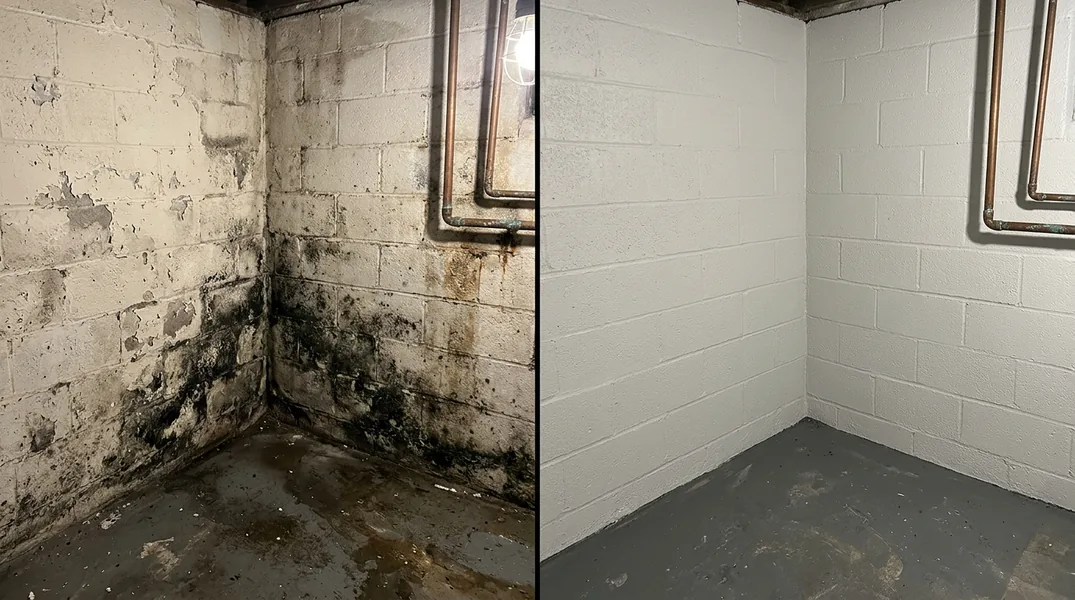
Why Peoria Basements Face Unique Water Challenges
Living in Peoria means living near one of the most powerful river systems in the Midwest. The Illinois River, combined with the area's heavy spring rains and freeze-thaw cycles, puts constant pressure on foundations throughout the region. Homeowners in East Peoria and Pekin deal with the same high water table and clay-heavy soil that traps moisture against basement walls. When that water has nowhere to go, it finds its way inside.
Understanding your options starts with a clear waterproofing comparison. The two main approaches are interior systems, which manage water once it enters, and exterior systems, which stop water before it reaches your walls. Neither is universally better. The right choice depends on your home's age, foundation type, landscaping, and how the water is behaving. A professional assessment from Basement Waterproofing experts can tell you which direction makes sense for your specific property.
How Interior Drain Tile Systems Work
An Interior Drain Tile System is installed along the inside perimeter of your basement footing. Weep holes are drilled into the base of the block wall so water can escape, and a perforated pipe collects that water and directs it to a sump pit. A sump pump then discharges it away from the home. This approach is popular in Peoria because it can be installed year-round, does not require excavating your yard, and typically costs less than exterior work.
Interior systems are especially effective for finished basements where you want to protect flooring and drywall. They also work well when the water problem comes from hydrostatic pressure under the slab rather than from surface runoff. The tradeoff is that the system manages water after it has already entered the wall cavity, so the foundation itself still gets wet. For many homeowners, though, that is an acceptable compromise given the lower disruption and faster installation timeline.
How Exterior Basement Waterproofing Stops Water at the Source
Exterior Basement Waterproofing takes the opposite approach. It involves excavating down to the footing, applying a waterproof membrane to the exterior wall, and installing drainage to carry water away before it ever touches the foundation. This is the most thorough way to address a leaking basement, and it also protects the structural integrity of the foundation itself. For homes in older Peoria neighborhoods with stone or block foundations, exterior work often pairs well with Foundation Waterproofing repairs.
The drain tile vs exterior membrane question usually comes down to access and budget. Exterior work requires digging along the foundation, which means moving landscaping, decks, or patios. It is more invasive and generally more expensive than interior solutions. However, it is the only method that actually keeps water out of the wall in the first place. If your basement walls are bowing, cracking, or showing signs of long-term moisture damage, exterior waterproofing may be the smarter long-term investment.
Which Option Fits Your Peoria Home?
There is no one-size-fits-all answer, but a few guidelines help narrow it down. If your basement is unfinished and the water comes up through the floor, an interior drain tile system is often the most practical and affordable fix. If you have a finished basement, exterior waterproofing protects your investment more completely. If your home sits on a slope or has poor grading, correcting drainage outside first can reduce the load on any interior system you install.
Age matters too. Homes in Morton and across the Peoria area built before the 1980s often lack modern footing drains, making exterior work more valuable. Newer homes may only need interior management. The best next step is a professional inspection that evaluates soil conditions, foundation type, and water patterns. You can request a free estimate to get a clear recommendation without guesswork.
Basement Waterproofing Cost in Peoria: What to Budget
Cost is the question every homeowner asks first, and the honest answer is that it varies widely. Interior drain tile systems are typically the lower-cost option because they require less excavation and labor. Exterior membrane systems cost more due to digging, material, and restoration of landscaping. Factors like basement size, foundation condition, sump pump requirements, and accessibility all affect the final number. You can review general pricing guidance to set realistic expectations before your inspection.
It helps to think in terms of long-term value rather than sticker price. A cheaper interior fix that leaves foundation walls wet may lead to bigger structural repairs later. A more expensive exterior job that solves the problem permanently can be the better investment. Ask for a written scope of work and a clear explanation of what is included. At Peoria Waterproofing, we walk you through both options so you can decide with confidence. Call (309) 322-9378 to discuss your basement and schedule an assessment.
Looking for a professional basement waterproofing contractor in Peoria? Peoria Waterproofing responds fast for all your basement waterproofing needs.
Get a Free QuoteOur services: Basement Waterproofing · Interior Drain Tile System · Exterior Basement Waterproofing